Jobs Employers Sponsor Because Training Locals Costs More
In today’s competitive labor market, employers face a critical decision. They can train local employees for specialized roles or sponsor experienced foreign professionals. For many positions, training locals costs more than hiring qualified international talent. Sponsorship offers companies a way to access skilled workers immediately while controlling project timelines, operational risks, and financial efficiency.
This article explores why employers choose sponsorship over local training, identifies industries and roles most affected, and explains how workers can align themselves with opportunities where sponsorship is common.
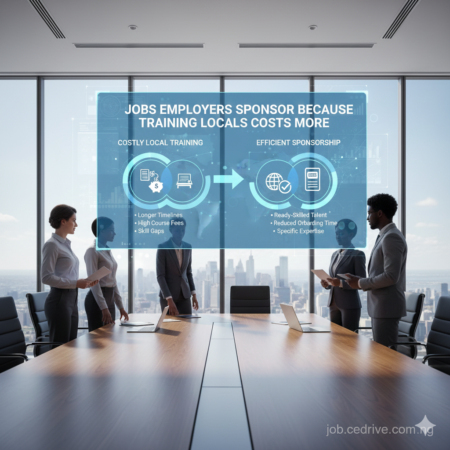
Why Training Local Employees Can Be Expensive
Training local employees requires significant time, money, and management effort. Employers must invest in recruitment, onboarding, structured training programs, mentorship, and supervision. During training, productivity is lower, and errors may occur. For certain highly technical or specialized roles, local training may take years, while the business cannot afford delays.
Several factors make training locals expensive:
Time Investment
Some positions require extensive learning periods. Advanced technical roles, specialized healthcare jobs, and complex engineering positions demand months or years before employees can operate independently. During this period, employers cannot rely on the worker for full productivity, which delays project progress and increases operational costs.
Financial Costs
Formal training programs, professional certifications, and educational support programs can be costly. Companies spend thousands of dollars per employee to develop their skills. These costs often exceed the expense of sponsoring a skilled international professional who already meets operational requirements.
Turnover Risk
After investing in training, employees may leave for higher paying jobs or better opportunities. High turnover makes training a riskier investment, increasing the appeal of hiring already qualified workers through sponsorship.
Skill Shortages
Certain roles require specialized knowledge that is scarce locally. Even with intensive training, employers may not find enough qualified workers within an acceptable time frame. Sponsorship allows companies to fill these roles immediately.
How Employers Decide Between Sponsorship and Training
Before offering sponsorship, employers evaluate several factors. These include the skill level of the position, urgency of hiring, financial comparison between training and sponsorship, likelihood of employee retention, and operational impact of delayed or underqualified staff.
Positions with high technical requirements, tight deadlines, or long-term strategic importance tend to favor sponsorship. Employers calculate the total cost of training, including wages, lost productivity, and mentoring time, against the cost of sponsoring a foreign worker, including relocation and visa expenses.
Industries Where Sponsorship is Favored Over Training Locals
Certain industries consistently sponsor positions because training local employees costs too much or takes too long. These sectors include technology, healthcare, engineering, manufacturing, finance, education, and logistics.
Technology
The technology sector requires advanced technical skills that are in short supply. Coding languages, cloud platforms, cybersecurity protocols, and data analytics demand expertise. Training local employees often involves months of mentoring and hands-on experience before they can operate independently.
Roles commonly sponsored include software developers, cybersecurity analysts, data scientists, cloud engineers, and artificial intelligence specialists. Sponsorship ensures companies can complete projects on time and maintain competitive advantage.
Healthcare
Healthcare positions demand rigorous education, practical training, and certification. Hospitals and clinics face challenges filling specialized roles such as nurses, doctors, surgical technicians, and allied health professionals. Training local employees for these positions requires years of schooling and supervised experience, which many facilities cannot afford.
Sponsoring qualified international workers allows healthcare providers to maintain patient care standards and reduce critical staffing shortages.
Engineering and Construction
Engineering and construction projects often involve complex technical requirements, tight deadlines, and substantial financial investment. Training local engineers, project managers, or skilled tradespeople takes years. Employers sponsor foreign professionals to ensure project timelines are met and quality standards are maintained.
Sponsored positions include civil engineers, structural engineers, mechanical and electrical engineers, project managers, and specialized trades such as welders and electricians.
Manufacturing and Industrial Operations
Modern manufacturing relies on skilled technicians and engineers to maintain efficiency and quality. Training locals in advanced machinery, robotics, or quality assurance processes takes months or years.
Roles that attract sponsorship in manufacturing include machine operators, process engineers, production supervisors, maintenance technicians, and automation specialists. Employers sponsor these workers to reduce downtime and ensure operational reliability.
Finance and Professional Services
High-value finance and professional services roles require specialized knowledge and certifications. Investment bankers, auditors, actuaries, and compliance specialists often take years to develop expertise. Training local hires from scratch can be more expensive than sponsoring skilled professionals who meet industry standards.
Sponsorship allows firms to maintain high-quality service delivery and compliance with regulatory requirements.
Education and Research
Universities and research institutions sponsor academics and researchers because developing local expertise takes time. Training PhD-level specialists or experienced researchers is expensive and slow. Sponsorship helps institutions maintain research output, innovation, and teaching standards.
Roles often sponsored include university lecturers, researchers in science and technology fields, clinical researchers, and education technology specialists.
Logistics and Supply Chain
Supply chain management requires experienced professionals to handle complex operations. Training local employees in procurement, logistics planning, and international trade can take months. Delays in filling these roles can disrupt operations and revenue streams.
Sponsored roles include supply chain analysts, logistics managers, warehouse supervisors, and transportation planners.
Factors Influencing Sponsorship Beyond Training Costs
While training costs are a primary consideration, employers also weigh other factors when deciding on sponsorship:
- Urgency of hiring
- Regulatory requirements, such as licensing or professional certifications
- Project continuity and the risk of delays
- Skill shortages in the local labor market
- Overall cost efficiency compared to training
These elements interact to determine which positions are most likely to attract sponsorship.
Benefits of Sponsoring Experienced Workers
Sponsorship provides employers with several advantages:
- Reduced training costs
- Immediate productivity from experienced professionals
- Lower risk of operational errors
- Longer retention in critical roles
- Access to global perspectives and expertise
These benefits make sponsorship appealing, especially for roles where training locals is time-consuming or expensive.
Interaction Between Compliance Costs and Training Decisions
Sponsoring employees also involves compliance costs, such as visa fees, legal consultation, documentation, and reporting obligations. Employers weigh these expenses against training costs. When training locals exceeds the combined cost of sponsorship and compliance, employers choose to sponsor foreign workers.
This dynamic explains why high skill and long-term roles are frequently sponsored while entry-level or low-skill roles often rely on local labor.
Challenges of Sponsorship Over Local Training
Although sponsorship addresses skill gaps, it carries challenges:
- Cultural adaptation and relocation support
- Administrative workload for visa compliance
- Dependency on international talent and potential policy changes
- Perceived inequity among local employees
Employers balance these challenges against the financial and operational benefits of sponsorship.
ALSO READ: How Compliance Costs Influence Which Jobs Get Sponsored
CHECK: United Kingdom Employers Sponsoring Workers Without UK Experience
How Job Seekers Can Align With Sponsorship Opportunities
Workers can improve their chances of sponsorship by targeting roles where training locals is costly:
- Develop in-demand specialized skills
- Obtain internationally recognized certifications
- Gain practical experience for immediate productivity
- Apply to companies licensed to sponsor visas
- Demonstrate commitment to long-term employment
Understanding the industries and roles that rely on sponsorship allows job seekers to focus their efforts effectively.
Post-Pandemic Sponsorship Trends
The pandemic accelerated reliance on sponsorship in roles that require extensive training. Healthcare, technology, and logistics sectors faced urgent shortages. Sponsoring experienced international professionals allowed companies to maintain operations without lengthy local training programs.
Governments also responded by streamlining visa processes for critical occupations, reflecting economic need and urgency.
Conclusion
When training local employees is more expensive or time-consuming than hiring experienced foreign professionals, employers turn to sponsorship. Industries such as technology, healthcare, engineering, manufacturing, finance, education, and logistics rely heavily on international talent for specialized roles.
Sponsorship provides immediate productivity, reduces operational risk, and ensures long-term retention. Workers who understand which positions attract sponsorship can target opportunities strategically, increasing their chances of employment in roles where local training would otherwise be costly.
The global labor market continues to favor sponsorship for positions that require advanced skills, specialized experience, and immediate impact. Employers, governments, and workers all benefit when sponsorship aligns with operational needs and economic efficiency.