Jobs Added to Australia’s Skilled Migration Pathways Due to Population Growth
Australia has experienced steady population growth due to natural increase and international migration. Rapid growth affects the labor market and creates strong demand for skilled workers in several industries. To address workforce shortages, the Australian government regularly updates its skilled migration pathways and adds occupations where local talent is insufficient.
This article explores the factors behind these updates, identifies industries most affected, highlights occupations recently added due to population growth, and provides guidance for international professionals seeking opportunities in Australia.
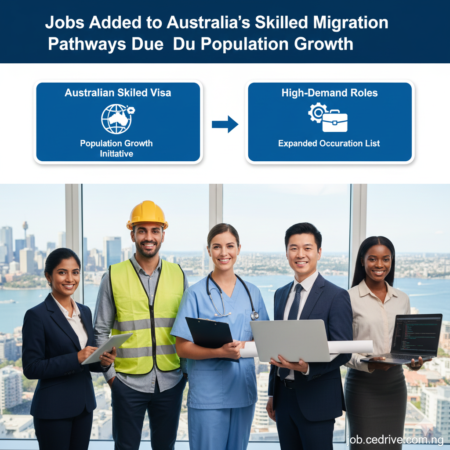
How Population Growth Drives Demand for Skilled Workers
Population growth generates both opportunities and challenges for the Australian workforce. Urban expansion, regional development, and demographic changes increase the need for professionals in critical sectors. Skilled migration helps fill these gaps and ensures economic stability.
Urban Expansion and Economic Growth
Australia’s major cities such as Sydney, Melbourne, Brisbane, and Perth continue to expand. Growing populations increase demand for housing, infrastructure, healthcare, education, and public services. Employers face difficulties finding local candidates to fill these positions, prompting reliance on skilled migration to maintain productivity.
Labor Market Shortages
Certain industries struggle to attract qualified local talent. Healthcare, education, construction, information technology, and trades often face shortages due to limited local supply or high demand. Skilled migration pathways allow employers to recruit international professionals to fill these essential roles.
Demographic Changes
Australia’s aging population has increased demand for healthcare and aged care services. Meanwhile, younger migrants entering the workforce help offset labor gaps and provide skills to growing sectors. The government adjusts migration policies to respond to demographic shifts and ensure critical occupations remain staffed.
Overview of Australia’s Skilled Migration Pathways
Australia has several skilled migration programs designed to attract professionals who can contribute to the economy. Occupations added to these pathways reflect labor market demand, regional needs, and population growth trends.
Medium and Long-Term Strategic Skills List
The Medium and Long-Term Strategic Skills List identifies occupations eligible for permanent visas or employer sponsorship. Roles on this list address labor shortages in sectors with long-term workforce needs.
Short-Term Skilled Occupation List
The Short-Term Skilled Occupation List allows temporary skilled migration to address immediate demand. Occupations on this list often face high turnover or urgent staffing requirements, which population growth can intensify.
Regional Occupation Lists
Regional occupation lists highlight areas where labor shortages exist outside major urban centers. Professionals willing to work in regional areas may access incentives such as additional points for permanent residency, priority processing, or relocation support.
Industries Impacted by Population Growth
Population growth affects multiple industries, prompting the government to add relevant occupations to skilled migration pathways. Key sectors include healthcare, education, construction, information technology, engineering, and skilled trades.
Healthcare
Healthcare is one of the most affected sectors due to population growth and an aging population. Hospitals, clinics, and aged care facilities require more professionals than local supply can meet.
High-demand healthcare occupations include:
- Registered nurses
- Medical practitioners
- Aged care specialists
- Physiotherapists
- Occupational therapists
Adding these roles to skilled migration pathways ensures essential healthcare services remain accessible across urban and regional areas.
Education
Population growth increases the number of students in schools and universities, creating demand for teachers and trainers. Regional schools often face the most significant shortages.
High-demand education occupations include:
- Secondary school teachers in mathematics, science, and English
- Early childhood educators
- Special needs teachers
- Vocational trainers
- University lecturers in science, technology, engineering, and mathematics
Skilled migration ensures schools maintain quality teaching and meet the needs of expanding communities.
Construction and Infrastructure
Urbanization and housing development generate demand for construction and infrastructure professionals. Roads, bridges, housing projects, and public transport initiatives require skilled engineers and managers.
High-demand construction occupations include:
- Civil engineers
- Project managers
- Surveyors
- Quantity surveyors
- Construction managers
Adding these roles to skilled migration pathways enables employers to complete projects efficiently and meet population-driven demand.
Information Technology
The digital economy grows alongside population increases. IT services, software development, cybersecurity, and data analysis require skilled professionals to support business operations and public services.
High-demand IT occupations include:
- Software engineers
- Systems analysts
- Network administrators
- Cybersecurity specialists
- Data analysts
These occupations support digital infrastructure and ensure technology services scale with population growth.
Engineering and Technical Roles
Engineers support infrastructure, transportation, energy, and industrial projects. Shortages of qualified engineers in urban and regional areas make skilled migration essential.
High-demand engineering occupations include:
- Mechanical engineers
- Electrical engineers
- Structural engineers
- Environmental engineers
- Industrial engineers
Adding these roles ensures that infrastructure and development projects meet growing population needs.
Trades and Skilled Labor
Population growth increases demand for tradespeople in construction, maintenance, and manufacturing. Urban expansion and regional projects create immediate labor shortages in trades.
High-demand trade occupations include:
- Electricians
- Plumbers
- Bricklayers and stonemasons
- Carpenters and joiners
- Welders
These occupations provide essential skills for housing, infrastructure, and commercial development.
Regional Opportunities
Population growth does not only occur in cities. Regional areas often experience rapid increases that create labor shortages. Skilled migration pathways provide incentives for professionals willing to work in these areas.
Benefits of Regional Positions
Professionals working in regional areas may receive additional points toward permanent residency, access to priority processing, and financial support for relocation. These incentives make regional roles attractive to international candidates.
Filling Critical Gaps in Regional Areas
Regional centers face challenges in attracting local talent due to geographic isolation or limited amenities. Skilled migration allows employers to fill roles in healthcare, education, construction, and trades, ensuring communities grow sustainably alongside population increases.
Factors Influencing Occupations Added to Skilled Migration Pathways
The Australian government considers several factors when adding occupations due to population growth:
- Labor market shortages with insufficient local candidates
- Rapid population expansion in urban or regional areas
- Economic and infrastructure importance
- Demographic shifts, including an aging population
- Complexity of skills, training, and qualifications
These criteria ensure migration pathways are responsive to workforce needs created by population growth.
ALSO READ: Why Some Occupations Receive Faster Visa Decisions Than Others
CHECK: Employers Sponsoring Overseas Workers Under the Shortage Occupation List
How International Professionals Can Access Opportunities
International candidates can increase their chances of securing roles by targeting high-demand occupations and aligning with government priorities.
Target Occupations in Demand
Focus on occupations listed on the Medium and Long-Term Strategic Skills List, the Short-Term Skilled Occupation List, or regional occupation lists that reflect population growth needs.
Obtain Recognized Qualifications
Accredited degrees, professional certifications, and licenses recognized in Australia improve eligibility and processing speed. Credential verification plays a key role in successful applications.
Explore Regional Opportunities
Consider relocating to regional areas with labor shortages. These positions often provide additional points for permanent residency and relocation assistance.
Partner with Sponsoring Employers
Work with organizations experienced in sponsoring international professionals. Established employers understand regulatory requirements and facilitate visa processing.
Stay Informed About Policy Updates
Skilled migration pathways are updated regularly to address population growth and changing labor demands. Staying informed ensures candidates target relevant opportunities.
Post-Pandemic Trends
The COVID-19 pandemic highlighted labor shortages in healthcare, education, construction, and IT. As population growth continues, the government has added new occupations to skilled migration pathways to address critical gaps. These measures underscore the importance of international professionals in sustaining workforce growth and economic stability.
Conclusion
Population growth in Australia creates demand for skilled labor across healthcare, education, construction, IT, engineering, and trades. The government adds occupations to skilled migration pathways to address labor shortages, maintain productivity, and support urban and regional development.
International professionals who align their skills with high-demand occupations, obtain recognized qualifications, consider regional opportunities, and work with sponsoring employers can access rewarding roles in Australia. Skilled migration pathways offer a clear route to contributing to Australia’s expanding population, supporting economic growth, and advancing professional careers.