United States Employers Sponsoring Workers Due to Union Labor Shortages
Unionized labor plays a vital role in maintaining essential services and industries in the United States. From construction and manufacturing to energy and transportation, unions ensure fair wages, safety standards, and organized work environments. However, many unionized sectors are currently facing labor shortages. Retirements, insufficient domestic interest in skilled trades, and increasing demand for specialized expertise have created gaps in the workforce.
To address these shortages, U.S. employers increasingly sponsor foreign workers. Visa sponsorship allows companies to hire international professionals to fill union roles, maintain operations, and complete critical projects on time. This article explores the causes of union labor shortages, industries affected, types of roles available, visa pathways, and strategies for international professionals to secure these opportunities.
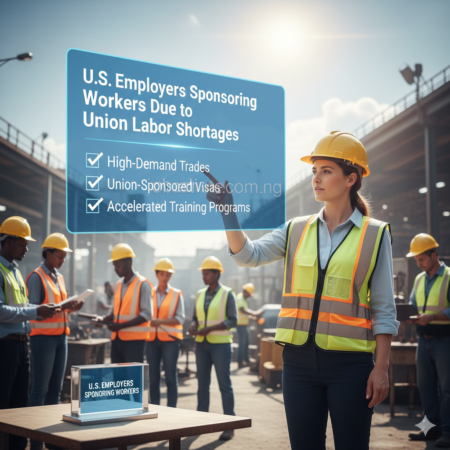
Understanding Union Labor Shortages in the United States
Union labor shortages have multiple contributing factors.
- Aging workforce: Many unionized trades have a high proportion of workers approaching retirement age.
- Declining enrollment in vocational programs: Fewer young workers are entering skilled trades, particularly in construction, manufacturing, and energy.
- Rising demand for skilled labor: Large-scale projects and infrastructure investments require more workers than the domestic labor pool can supply.
- Specialized skill requirements: Certain roles, such as pipefitting, welding, and heavy equipment operation, demand expertise that is limited locally.
These conditions create opportunities for employers to recruit international talent with the necessary skills and experience.
Industries Affected by Union Labor Shortages
Several sectors are actively sponsoring foreign workers due to union labor gaps.
Construction and Infrastructure
Construction remains one of the most impacted industries. Skilled roles in unionized construction include electricians, welders, carpenters, and heavy equipment operators. Projects range from commercial buildings and industrial facilities to highways, bridges, and public infrastructure. Employers sponsor foreign workers to maintain timelines, uphold quality, and comply with safety standards.
Manufacturing and Skilled Trades
Manufacturing plants depend on unionized employees for machinists, tool and die makers, welders, and maintenance technicians. Retirements and declining enrollment in vocational programs contribute to labor shortages. Employers sponsor foreign workers to fill positions requiring advanced machinery operation, precision fabrication, quality control, and equipment maintenance.
Energy and Utilities
Energy and utility sectors rely on unionized roles for power plant technicians, electrical line workers, pipeline operators, and renewable energy system installers. These positions require specialized knowledge and certifications. Sponsorship ensures a reliable workforce to maintain safe and continuous energy production and distribution.
Transportation and Logistics
Unionized transportation roles are essential for supply chains and public services. Sponsored positions include truck drivers, freight operators, railway staff, port workers, and aviation ground crew. Labor shortages in these sectors can disrupt regional and national logistics, making international hiring through sponsorship an effective solution.
Types of Union Roles Offered for Sponsorship
Union labor shortages translate into diverse opportunities for foreign professionals.
Skilled Trades Professionals
Skilled trades form the backbone of unionized industries. Employers sponsor workers in roles such as electricians, welders, pipefitters, carpenters, and heavy equipment operators. These positions require certifications, technical expertise, and documented work experience.
Engineers and Technical Specialists
Unionized projects also require engineers and technical specialists. Sponsored roles include mechanical, civil, structural, and electrical engineers, process engineers, and quality control experts. Employers seek candidates with degrees, certifications, and hands-on experience in managing unionized teams or projects.
Maintenance and Repair Technicians
Maintenance ensures that equipment, infrastructure, and facilities remain operational. Employers sponsor workers for machinery maintenance, electrical and HVAC systems, pipelines, and transportation equipment. These roles demand practical experience and technical training.
Project and Operations Managers
Unionized projects require coordination and oversight. Sponsored managerial roles include construction project managers, operations managers in manufacturing plants, site supervisors for energy projects, and safety officers. Candidates must demonstrate leadership, project management skills, and experience managing unionized teams.
Visa Programs for Sponsored Union Jobs
U.S. employers utilize several visa categories to hire foreign workers for union roles.
H-1B Visa
The H-1B visa applies to specialty occupations requiring a bachelor’s degree or higher. It covers engineering, technical management, and supervisory roles.
H-2B Visa
The H-2B visa allows temporary non-agricultural workers to fill skilled positions such as tradespeople, technicians, and seasonal construction staff.
L-1 Visa
The L-1 visa enables multinational companies to transfer employees from international offices to U.S. operations. Engineers, managers, and technical specialists qualify for this category.
EB-3 Employment-Based Green Card
Employers may sponsor permanent residency for skilled workers and professionals through the EB-3 visa. This provides long-term stability for international employees working in unionized roles.
Skills and Qualifications Employers Seek
Candidates seeking visa-sponsored union roles should demonstrate:
- Technical proficiency in the relevant trade or engineering field
- Hands-on experience with unionized processes and equipment
- Problem-solving abilities to address on-site challenges
- Knowledge of safety regulations and compliance standards
- Leadership or teamwork skills for managing or integrating with unionized teams
Documentation of certifications, training, and prior experience increases the likelihood of securing sponsorship.
ALSO READ: Infrastructure and Public Works Roles Sponsoring Foreign Workers
CHECK: United States Employers Hiring Foreign Workers Without US Work Experience
How to Secure a Sponsored Union Role
- Research employers and unions that actively sponsor foreign workers
- Prepare a resume highlighting certifications, union experience, and technical skills
- Apply for positions through company websites, union job boards, and international recruiting agencies
- Prepare for interviews by demonstrating technical knowledge, safety awareness, and teamwork
- Collaborate with the employer and immigration specialists to complete visa applications
- Plan for relocation, housing, transportation, and adjusting to local work culture
Advantages of Working in Sponsored Union Roles
- Stable employment through long-term or multi-year projects
- Competitive salaries and benefits provided by union agreements
- Skill development in highly technical trades and engineering fields
- Networking opportunities with experienced professionals across industries
- Pathways to permanent residency through H-1B, H-2B, or EB-3 visas
Challenges International Workers May Face
Foreign professionals should anticipate:
- Complex visa application processes requiring detailed documentation
- Relocation and adjustment to new regions and communities
- Adapting to union rules, work culture, and labor agreements
- Meeting high safety and technical standards
Preparation, flexibility, and professional training help mitigate these challenges.
Geographic Distribution of Sponsored Union Jobs
Union labor shortages are most pronounced in regions with high infrastructure, industrial, and energy activity:
- Urban areas with large construction or public transit projects
- Manufacturing hubs in the Midwest, Southeast, and Texas
- Energy-intensive regions with power plants, pipelines, and renewable energy projects
- Transportation corridors, ports, and logistics centers
Candidates willing to relocate have greater chances of securing visa-sponsored positions.
Future Outlook for Union Labor Sponsorship
The need for unionized workers in the U.S. is expected to grow. Retirements, aging workforce, and continued demand for skilled labor ensure that employers will continue sponsoring foreign workers. Large-scale infrastructure projects, advanced manufacturing, and energy expansion will sustain long-term opportunities in unionized roles.
Frequently Asked Questions
Which union roles are most frequently sponsored?
Electricians, welders, pipefitters, engineers, maintenance technicians, and project managers.
Do I need a degree for union jobs?
Trades typically require certifications and experience. Engineering and managerial roles usually require a degree.
Can visa sponsorship lead to permanent residency?
Yes. Visa categories such as H-1B and EB-3 offer pathways to long-term residency.
Where are labor shortages most severe?
Shortages are common in urban centers, manufacturing regions, energy hubs, and major transportation corridors.
Conclusion
Union labor shortages in the United States create substantial opportunities for skilled international workers. Employers across construction, manufacturing, energy, and transportation sponsor foreign professionals to maintain operations, meet deadlines, and uphold safety and quality standards.
Visa sponsorship allows foreign workers to enter unionized roles, gain valuable experience, and pursue long-term careers. By demonstrating technical expertise, adaptability, and teamwork, international professionals can take advantage of these growing opportunities and contribute to critical industries that sustain the U.S. economy.