Sponsorship Jobs That Exist Only in Underserved Regions
Underserved regions often face persistent labor shortages. These areas may struggle to attract qualified professionals due to geographic isolation, limited educational resources, or economic conditions. To address critical staffing gaps, employers frequently sponsor foreign workers for positions that local labor markets cannot fill.
Sponsorship jobs in underserved regions provide international professionals with unique opportunities to build experience, make an impact, and advance their careers. This article explores why these roles exist, which industries rely on them, the types of positions typically sponsored, and strategies for job seekers to access these opportunities.
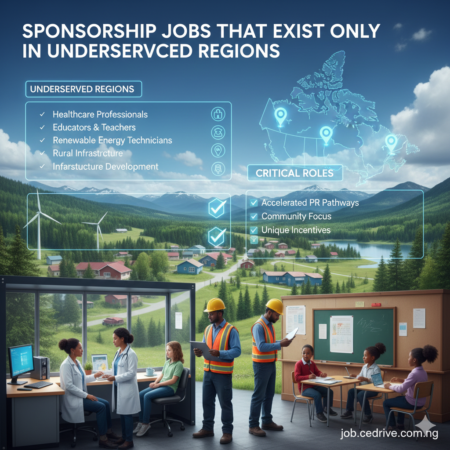
Why Sponsorship Jobs Are Concentrated in Underserved Regions
Many underserved areas have insufficient local talent to meet regional needs. This shortage is often pronounced in healthcare, education, infrastructure, and specialized industries. Employers in these regions face challenges in filling positions essential to community services. Sponsoring international workers offers a practical solution.
Several factors drive sponsorship in underserved areas:
Shortage of Local Talent
Remote or sparsely populated regions often cannot provide enough skilled workers. Doctors, nurses, engineers, teachers, and technical specialists may be scarce. Sponsorship allows employers to recruit professionals with the experience required to fill these roles immediately.
Geographic Isolation
Underserved regions may be far from urban centers or lack access to amenities. Local candidates might not be willing to relocate. Foreign professionals provide the workforce needed to maintain essential services in these locations.
High Training Costs
Training local employees in remote areas can be expensive. Employers may face travel expenses, housing support, and extended onboarding programs. Sponsoring workers with the required expertise is often more efficient.
Urgent Community Needs
Healthcare, education, and public infrastructure projects often face pressing deadlines. Employers cannot wait for local candidates to acquire necessary skills. Sponsorship ensures critical positions are filled promptly.
Government Incentives
Many governments provide programs to encourage skilled workers to move to underserved regions. These programs often include financial incentives and streamlined visa processes, making sponsorship more appealing to employers.
Industries That Rely on Sponsorship in Underserved Regions
Several industries consistently sponsor foreign professionals to fill critical roles in underserved areas. These include healthcare, education, infrastructure, energy, technology, and agriculture.
Healthcare
Healthcare shortages in underserved regions are widespread. Hospitals, clinics, and public health facilities struggle to maintain adequate staffing levels. Sponsoring foreign professionals ensures that residents have access to essential medical care.
Commonly sponsored roles in healthcare include:
- Registered nurses
- Physicians and medical specialists
- Laboratory technicians
- Radiology professionals
- Public health specialists
These positions ensure that critical healthcare services continue uninterrupted.
Education
Schools and universities in underserved regions often lack qualified teachers and administrators. Recruiting international educators allows institutions to maintain educational standards and meet local demand.
Sponsored roles in education include:
- Primary and secondary teachers
- STEM instructors
- Vocational and technical trainers
- University lecturers
- Curriculum developers
Sponsorship helps maintain a high-quality educational experience for students in underserved areas.
Infrastructure and Construction
Infrastructure projects in underserved regions, such as road construction, utilities, and housing development, require skilled engineers, project managers, and tradespeople. Sponsoring foreign professionals ensures that these projects are completed efficiently.
Commonly sponsored infrastructure roles include:
- Civil engineers
- Project managers
- Surveyors
- Skilled construction workers
- Electrical and mechanical technicians
These professionals ensure projects are completed safely and meet quality standards.
Energy and Utilities
Underserved regions often need expertise in energy production, distribution, and renewable energy projects. Local labor may lack the experience to operate advanced systems. Sponsorship fills this gap.
Roles frequently sponsored in energy and utilities include:
- Electrical engineers
- Energy system operators
- Renewable energy technicians
- Utility management specialists
- Industrial control engineers
Foreign professionals help maintain reliable energy infrastructure and support community development.
Technology and IT
Even remote regions are adopting IT solutions, including network infrastructure, cybersecurity systems, and software platforms. Local workers may not have the skills to manage these technologies.
Sponsored technology roles include:
- Software developers
- Network engineers
- IT support specialists
- Data analysts
- Cybersecurity professionals
These positions ensure technology systems operate efficiently and securely.
Agriculture and Food Production
Modern agriculture requires skilled personnel to manage equipment, production processes, and supply chains. Remote regions may struggle to find enough local talent to maintain productivity.
Sponsored roles in agriculture include:
- Agronomists
- Farm managers
- Agricultural engineers
- Food production supervisors
- Irrigation specialists
Sponsorship ensures sustainable and productive agricultural operations.
Factors That Make Jobs Eligible for Sponsorship
Certain conditions increase the likelihood that a position in an underserved region will offer sponsorship:
- Critical Skill Shortages: Jobs requiring expertise unavailable locally
- Remote Locations: Positions in isolated areas with limited local labor
- Immediate Community Impact: Roles that directly affect essential services
- Long-Term Projects: Multi-year initiatives requiring stable staffing
- Government Incentives: Occupations prioritized by authorities or listed on shortage occupation lists
Employers use these factors to determine which roles to sponsor for international workers.
Benefits of Sponsorship in Underserved Regions
Sponsorship in underserved areas offers several advantages:
- Employers fill essential roles quickly without delays
- Foreign professionals transfer knowledge to local staff
- Workers gain unique experience in challenging environments
- Sponsorship can provide pathways to permanent residency or long-term employment
- Professionals contribute meaningfully to community development
These benefits make sponsorship positions appealing for highly skilled international workers seeking career growth and impact.
Challenges of Working in Underserved Regions
Working in underserved regions presents challenges:
- Remote Location: Access to amenities and social opportunities may be limited
- Cultural Adaptation: Professionals must adjust to local customs and work practices
- Limited Resources: Housing, transportation, and infrastructure may be basic
- High Responsibility: Sponsored workers often carry significant responsibility for essential services
- Relocation Logistics: Moving to remote areas requires careful planning and support
International professionals must consider these factors before accepting positions.
ALSO READ: How Automation Gaps Are Driving the Need for Foreign Workers
CHECK: Employers Sponsoring Overseas Workers Under the Shortage Occupation List
How Job Seekers Can Access These Opportunities
International professionals can improve their chances of securing sponsorship in underserved regions through the following strategies:
Research Regional Needs
Identify regions with shortages in healthcare, education, infrastructure, or technology. Government reports and regional labor market studies can provide valuable insights.
Target Employers in Remote Areas
Focus on hospitals, schools, companies, and agencies operating in underserved regions. These organizations are more likely to sponsor foreign professionals.
Review Shortage Occupation Lists
Many countries maintain lists of high-demand occupations. Jobs in underserved regions on these lists are often eligible for sponsorship.
Build Relevant Skills
Acquire expertise aligned with regional needs, including specialized healthcare, technical skills, or educational experience.
Highlight Flexibility and Adaptability
Employers value candidates who can work in remote locations, adapt to local culture, and contribute to community development.
Post-Pandemic Trends
The COVID-19 pandemic highlighted labor shortages in underserved regions, particularly in healthcare and education. Governments responded with programs to attract foreign professionals to remote areas, including streamlined visa pathways, relocation incentives, and financial support. These policies have made sponsorship in underserved regions more accessible than ever before.
Conclusion
Underserved regions continue to face critical labor shortages in healthcare, education, infrastructure, energy, technology, and agriculture. Sponsorship of foreign professionals allows employers to fill essential roles, complete long-term projects, and support community development.
International workers who align their skills with the needs of these regions can access rewarding opportunities, gain valuable experience, and contribute meaningfully to underserved communities. Sponsorship jobs in remote or underserved areas offer a pathway for skilled professionals to advance their careers while helping employers address labor gaps and strengthen local economies.